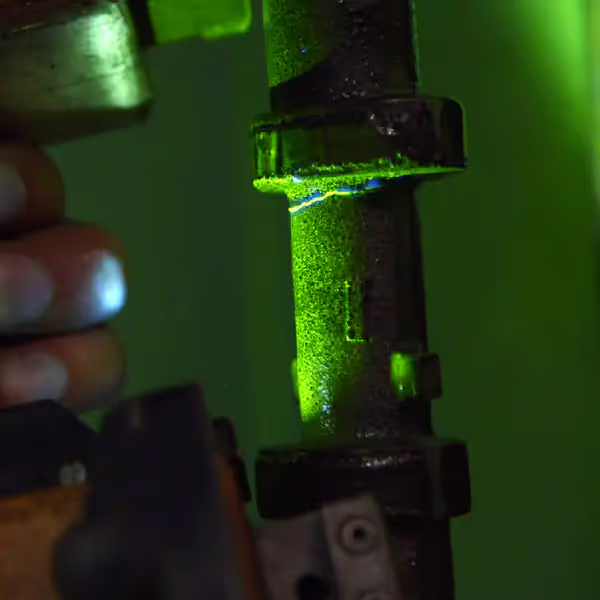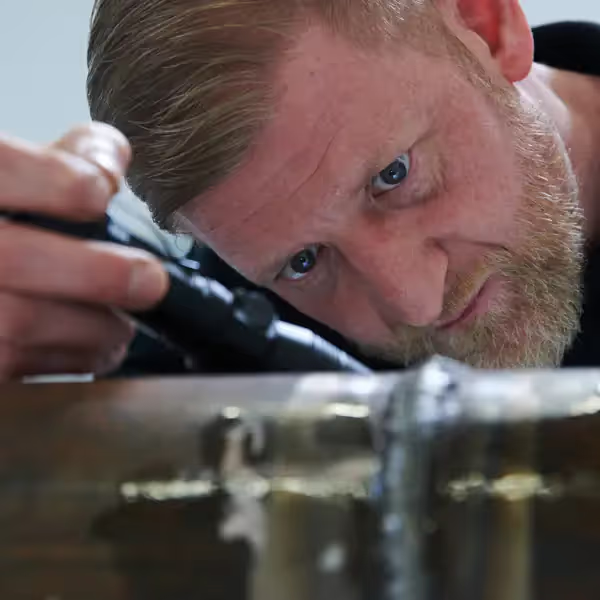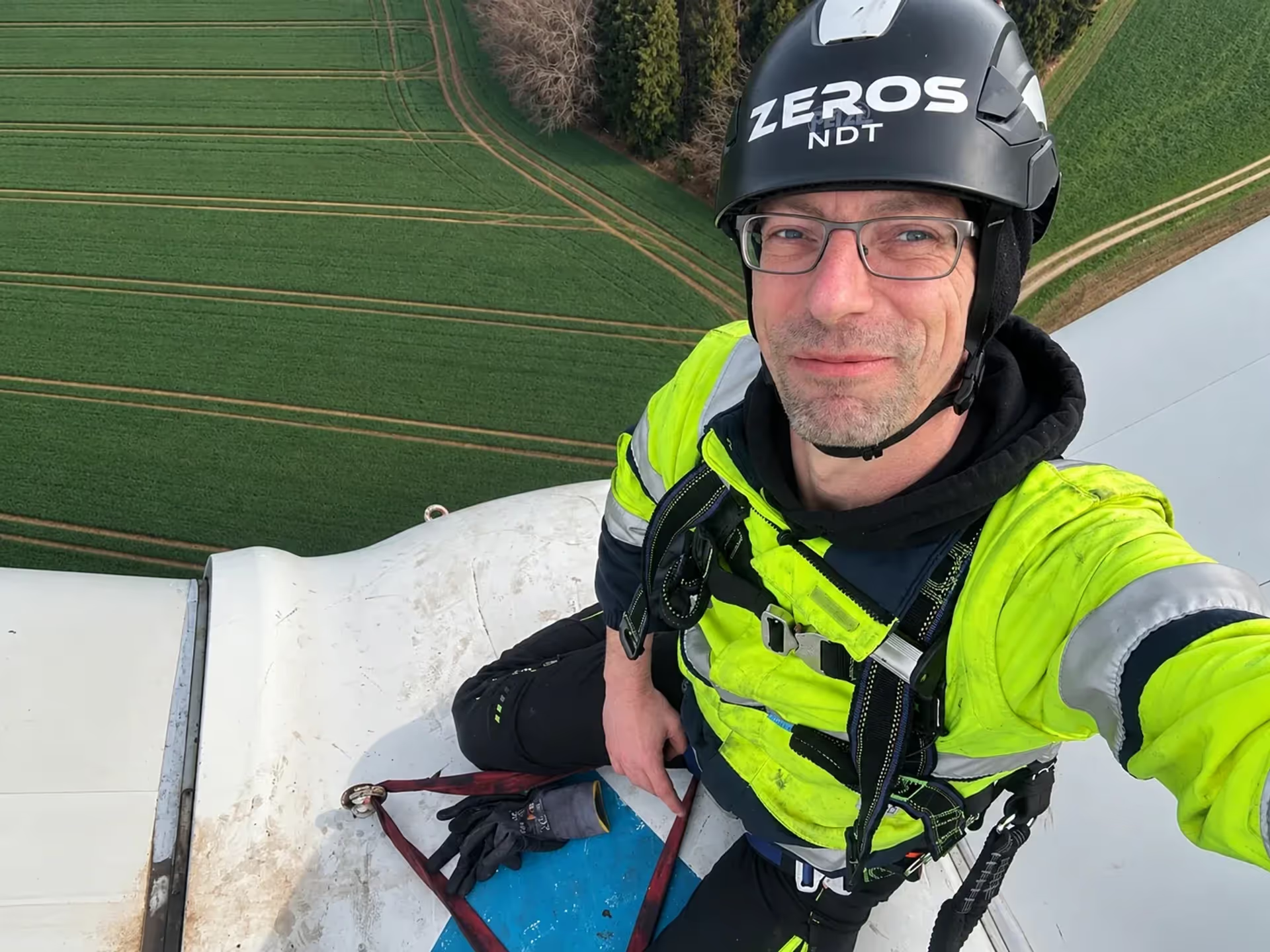

ZEROS inspects safety-relevant bolted joints of a wind turbine in the Black Forest.

Ultrasonic Testing at 110 Metres

ZEROS inspects safety-relevant bolted joints of a wind turbine in the Black Forest.

Ultrasonic Testing

News

ZEROS Inspects a Wind Turbine in the Black Forest

110-metre wind turbine in the Black Forest – assignment location of ZEROS GmbH

110-metre wind turbine in the Black Forest

Non-destructive testing makes an important contribution to the safety and reliability of wind turbines. During an assignment in the Black Forest, ZEROS GmbH inspected safety-relevant bolted joints of a wind turbine around 110 metres tall using ultrasonic testing.

The assignment at a glance

  • Location: wind turbine in the Black Forest (Baden-Württemberg, Germany)
  • Working height: around 110 metres, rotor hub and generator
  • Test method: ultrasonic testing (UT)
  • Scope: around 70 bolts per rotor blade, tested from inside and outside, plus the bolts of the generator connection
  • Client: Wagenblast

Materials Testing Under Special Conditions
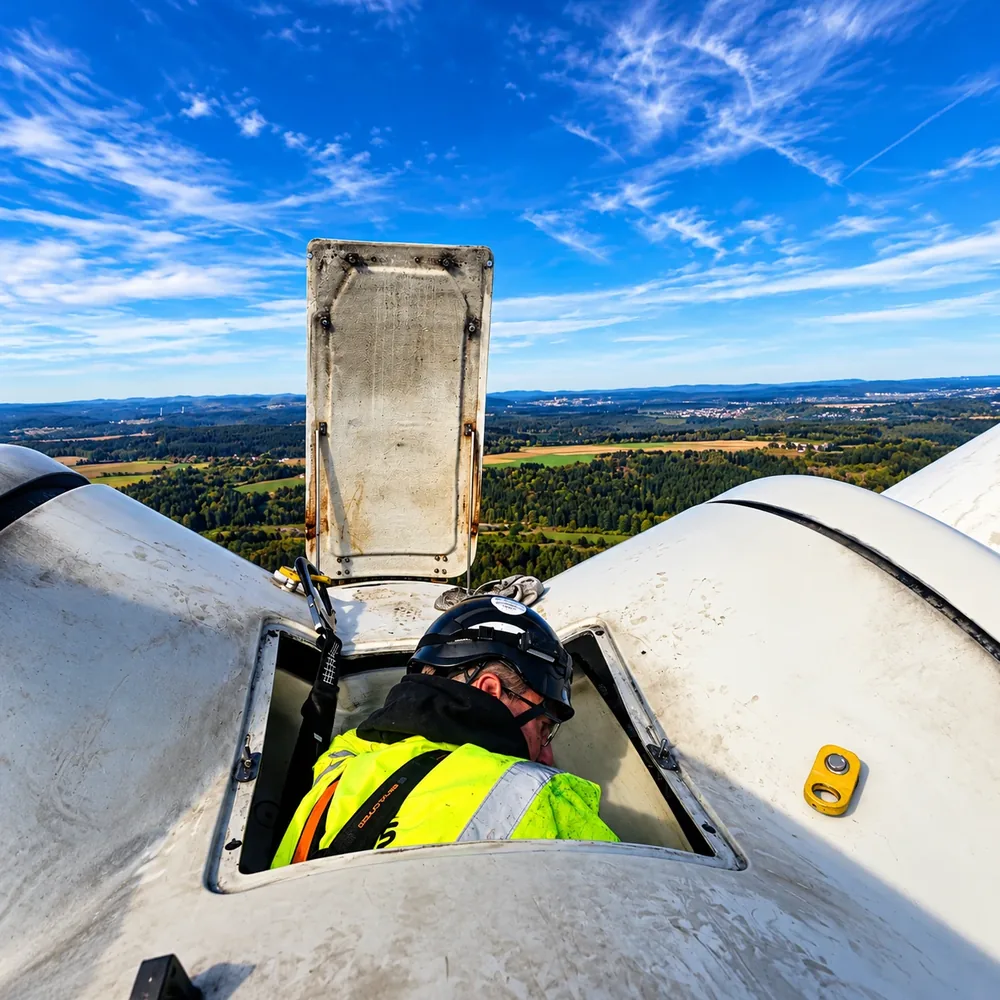
Inspector entering the rotor hub of a wind turbine

Entering the rotor hub

On behalf of Wagenblast, ZEROS GmbH carried out an extensive ultrasonic inspection of a wind turbine in Baden-Württemberg.

The site placed special demands on the inspectors: the relevant joints were located in the area of the rotor hub and the generator, around 110 metres above the ground. Access to the test areas was provided, among other things, through an entry hatch on the rotor hub. In addition to carrying out the ultrasonic testing properly, appropriate safety measures for working at height were therefore required.

Ultrasonic testing of the rotor blade bolts

The rotor blades of a wind turbine are exposed to considerable dynamic loads during operation. Wind forces, changing rotational speeds and continuous rotation place particular stress on the mechanical connections between the rotor blades and the hub.

To verify the integrity of these connections, ZEROS inspectors examined the bolts using ultrasonic testing (UT). Around 70 bolts per rotor blade were tested from inside and outside. The assignment also included the inspection of the bolts at the generator connection.

Why Ultrasonic Testing Matters for Wind Turbines
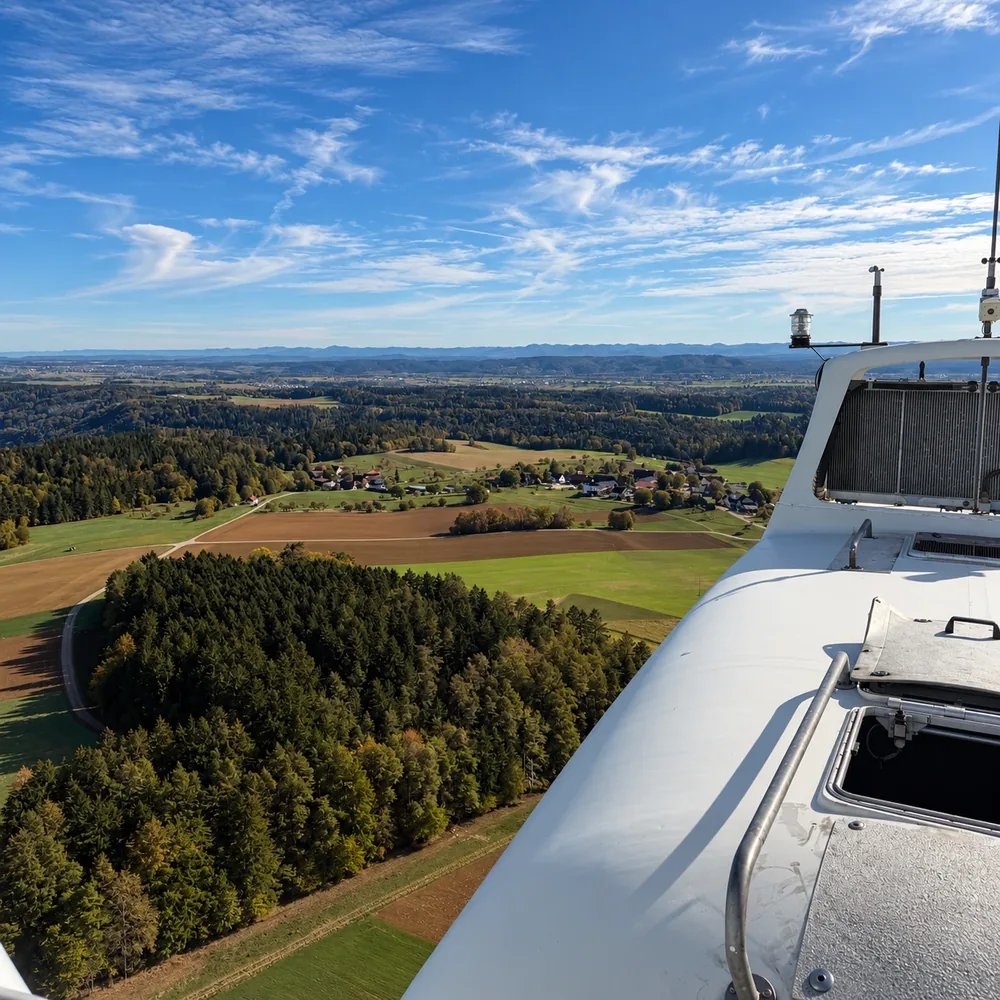
View from a wind turbine during a materials testing assignment in the Black Forest

View from the nacelle across the Black Forest

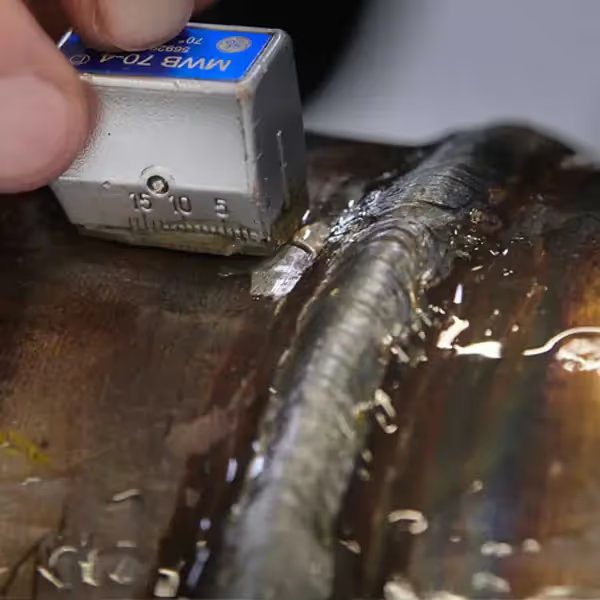
Ultrasonic testing is one of the established methods of non-destructive materials testing. By introducing high-frequency sound waves, internal material defects can be detected under suitable test conditions without damaging the component.

This is particularly important for highly stressed bolted joints: possible cracks or other detectable material irregularities can be identified early, before they develop further under continued load. Regular inspection of safety-relevant components therefore supports the operational safety and availability of wind turbines.

Non-destructive testing for renewable energy

Wind turbines have to operate reliably for many years while being subjected to high mechanical loads. Non-destructive testing helps to assess the condition of important components and to plan necessary maintenance measures on a sound basis.

With the assignment in the Black Forest, ZEROS GmbH shows that materials testing can be carried out on site even under demanding conditions. Whether in energy and industrial plants, on steel structures or on wind turbines: ZEROS supports companies with professional methods of non-destructive materials testing.
Request an inspection

FAQ

Frequently Asked Questions

Does Zeros GmbH carry out materials testing on site?

Yes. Mobile testing teams of Zeros GmbH operate throughout Germany and perform ultrasonic, magnetic particle, penetrant and visual testing as well as mobile radiographic testing directly at the customer site – in production, on construction sites or in maintenance workshops. Three laboratories in Berlin, Schmidgaden (Bavaria) and Dielheim (Baden-Württemberg) serve as the stationary base. This reduces transport and downtime.

How is the testing personnel of Zeros GmbH qualified?

The NDT personnel of Zeros GmbH is certified according to DIN EN ISO 9712, for railway applications additionally in the railway industry sector. Tests within the accredited scope are performed in the testing laboratory accredited to DIN EN ISO/IEC 17025, which ensures personnel qualification, measuring equipment monitoring and standard-compliant test reports.

What is Ultrasonic Testing (UT)?

Ultrasonic testing (UT) is a non-destructive testing method used to detect defects and measure wall thickness in materials. High-frequency sound waves generated by an ultrasonic device are transmitted into a material. When these waves encounter irregularities such as cracks, inclusions, or voids in components or welds, they are reflected. The reflected signals are captured and analyzed to determine the position, size, and type of defects. As a volumetric testing method, UT allows the internal inspection of materials like metals, plastics, and composites and is widely used in quality control.

Which Ultrasonic Testing Methods Exist?

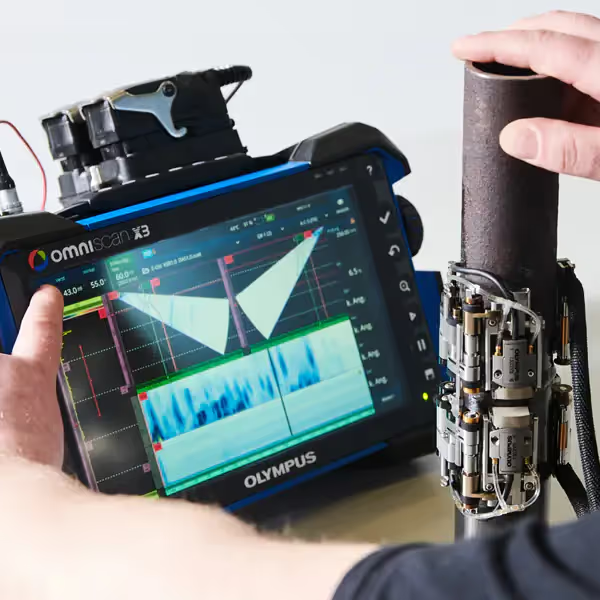
Various ultrasonic testing methods are available for non-destructive material testing. These include conventional ultrasonic testing, phased array testing, and TOFD (Time of Flight Diffraction). The best method depends on factors such as the material, manufacturing process, wall thickness, defect detection limit, and the desired documentation. While conventional UT is sufficient for many standard inspections, phased array and TOFD offer advanced options for representation and evaluation of defect indications. We are happy to advise you on which method is best suited for your testing project.